The list price was sixty million dollars a plane. Ryanair reportedly paid twenty-eight.
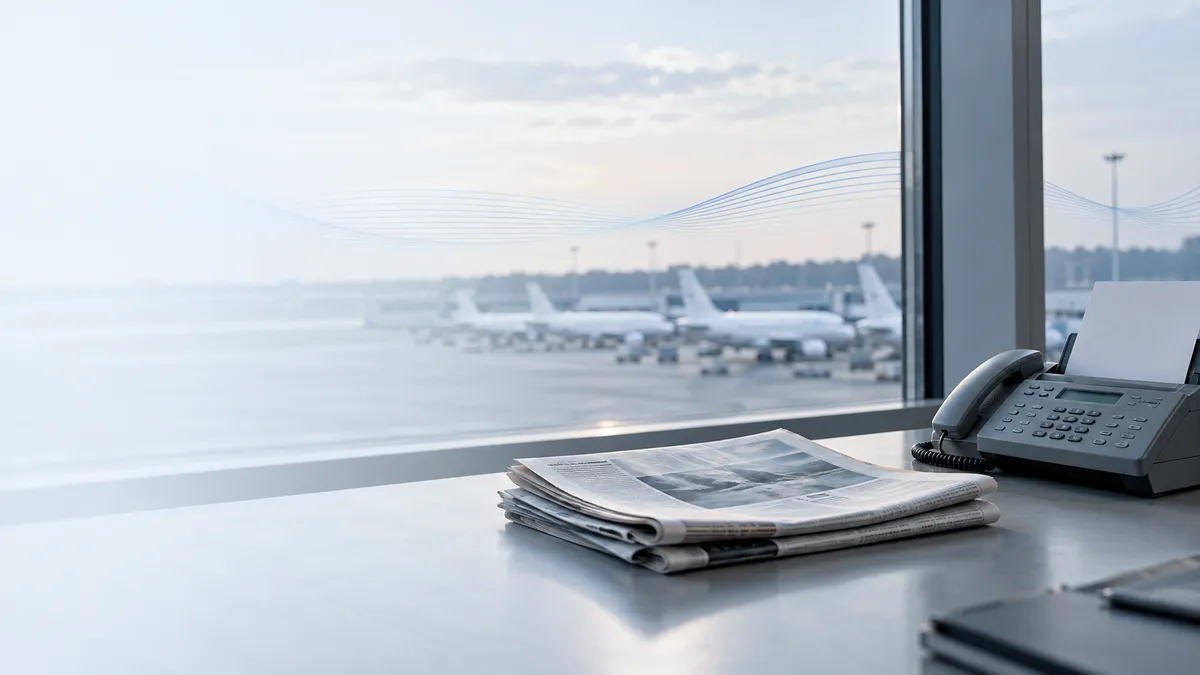
In January 2002, Ryanair announced an order for one hundred Boeing 737s, with options on fifty more. Its whole fleet at the time was a little over forty Boeing 737s. According to Alan Ruddock, in his biography Michael O'Leary: A Life in Full Flight, Ryanair paid just over twenty-eight million dollars a plane, against a list price of sixty million. I could not find the price published by Ryanair or Boeing themselves.
That price was the result of eighteen months of preparation. Most people who read the announcement never saw any of it.
In July 2001, Michael O'Leary cancelled Ryanair's existing options on nineteen Boeing aircraft, priced at around forty million dollars each, which he considered too expensive. The following month, he took out full-page advertisements offering to buy fifty used Boeings, and had, by his own account, six hundred to choose from within a month, all under fifteen million dollars each. At the same time, he told Airbus he was open to converting Ryanair's whole fleet.
Then the eleventh of September happened, and both manufacturers' order books collapsed.
According to Ruddock, O'Leary ran the two conversations against each other, faxing each side's number to the other. By late that year, Airbus had the deal, at just under thirty million dollars a plane. O'Leary and his team flew to Toulouse and shook hands on a hundred aircraft.
He telephoned Boeing the same day and told them he had a deal with Airbus.
Boeing came back the next day with a lower number. The order that followed, in January 2002, was Boeing's.
Everything that happened in the eighteen months before that phone call decided this negotiation. One part was out of his hands: the eleventh of September. The rest he built himself. Two cancelled contracts. A public offer for used aircraft. A real, running conversation with a second manufacturer, at the same time as the first. By the time anyone said a number out loud, O'Leary already had somewhere else to go, and it had cost him money and public advertising to get there.
How we would name his opening move, an ambitious number, a plain question or a deliberate silence, matters less than what happened months before either phone call. What we build before we need it is the part of a negotiation almost nobody sees, and it decided the number here. Boeing and Airbus could each tell the difference between a real alternative and a claimed one, because O'Leary had already spent money proving which this was.
O'Leary owned the airline. Cancelling those contracts and buying newspaper space were his to decide alone, on his own authority and his own money.
The earlier we place the start of a negotiation, the more of it sits inside our own preparation. Here, the start was two cancelled options and a stack of newspaper advertisements, long before either phone call.
Be well, Tina
Most of what decided this negotiation happened before anyone sat down at a table. If you want to look at your own preparation, I put together a short guide to the ten questions procurement and sales leaders ask me most.
Free, in English: https://performancesolutions.pro/negotiation-faq-guide
Und auf Deutsch: https://performancesolutions.pro/de/negotiation-faq-guide
